
Preparing Your Roof for Fall Rains in the Pacific Northwest
As the crisp air returns and the days grow shorter, homeowners around the Sound know exactly what is coming next: the relentless autumn and winter rains. While the Pacific Northwest is famous for its beautiful, moody weather, those long months of precipitation can put immense strain on your home's exterior. Preparing your roof for heavy rain isn't just about peace of mind; it's a vital step in protecting one of your most significant investments.
Many homeowners wait until water is actively dripping into their living room before considering their roof's condition. Unfortunately, by the time you see early signs of roof leak damage inside your house, the underlying issue has likely been developing for months. Taking a proactive approach during the late summer and early fall sunbreaks can save you from stressful emergency situations and unexpected expenses during our wettest season.
At Fred Meyer Roofing, we understand that seasonal fluctuations in weather can cause anxiety for homeowners. We also know that the roofing industry can sometimes feel overwhelming to navigate, with lingering skepticism about contractor reliability. That is why we focus on transparent communication and education, ensuring you have the knowledge you need to make the right decisions for your property before the heavy rains arrive.

A Fall Roof Inspection Checklist for Homeowners
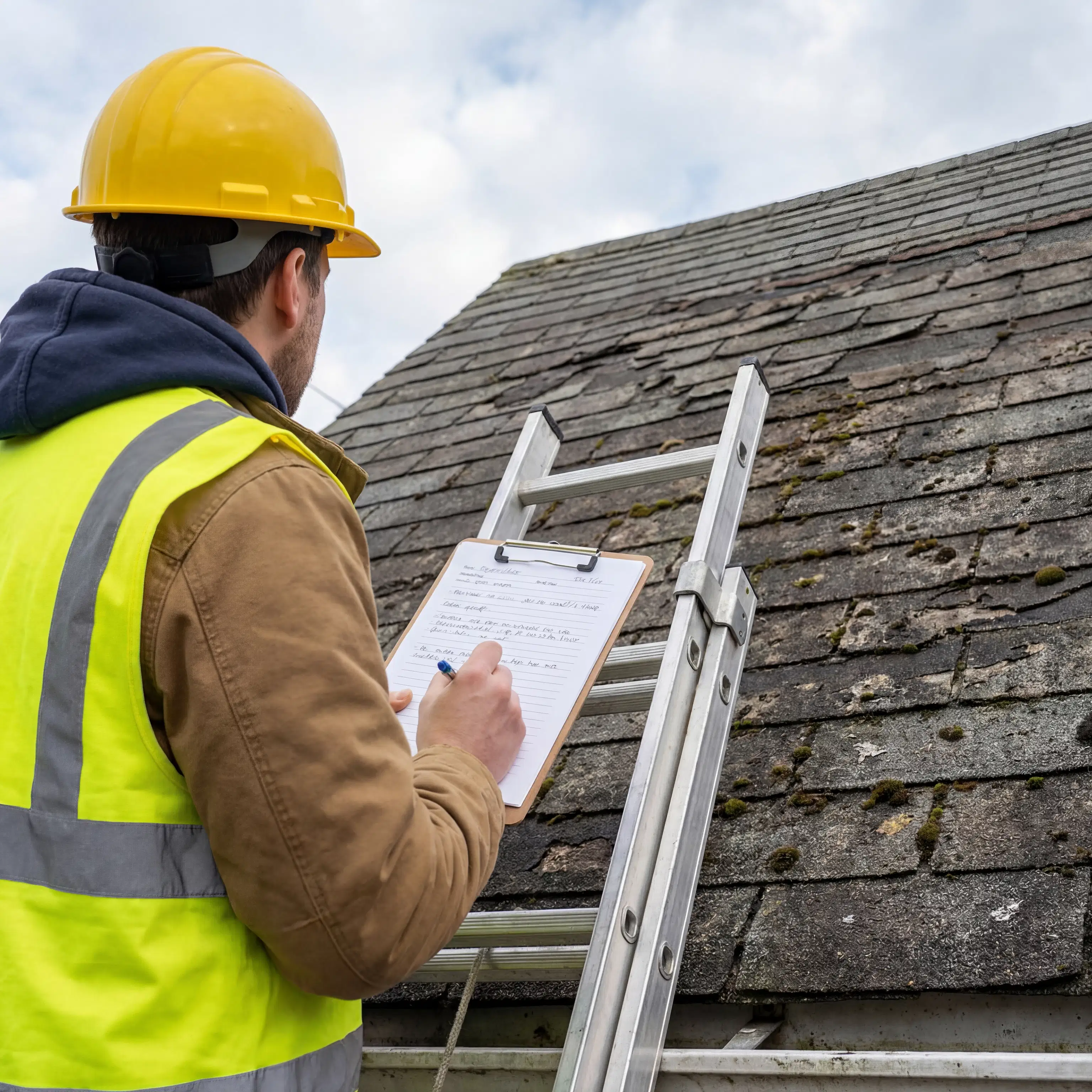
Before the weather turns completely, it is wise to assess the current state of your roof. While getting up on a ladder can be dangerous and is best left to professionals, there are several things you can evaluate safely from the ground. Here is a practical fall roof inspection checklist for homeowners to help you identify potential trouble spots:
First, grab a pair of binoculars and scan the surface of your roof. Look for missing, cracked, or curling shingles. Asphalt shingles that are losing their protective granules—often visible as dark patches on the roof or sandy sediment washing out of your downspouts—are a sign of accelerated wear. If you have a metal roof, check for visible rust spots or loose fasteners.
Next, pay close attention to the areas around your chimney, skylights, and vent pipes. The flashing around these penetrations is the most common failure point for water intrusion. If the metal flashing appears bent, rusted, or if the sealant looks cracked and dried out, it is highly likely that water will find its way underneath during the next prolonged downpour.
Finally, inspect your gutters and downspouts. They need to be completely clear of pine needles, leaves, and moss. When gutters overflow, water can back up under the eaves, leading to rotting fascia boards and eventual leaks in your attic. If you notice sagging gutters or water pooling near your foundation, it is time to take action.
If you spot any of these warning signs, or if your roof is over ten years old, scheduling a professional roof inspection is the safest and most effective next step. Our team utilizes modern technology, including drone-based assessments, to safely and accurately evaluate your roof's condition without causing unnecessary wear and tear on the materials.
How to Prepare Your Roof for Heavy Rain
Once you have identified potential vulnerabilities, the next phase is taking actionable steps to fortify your home. Knowing how to prepare a roof for heavy rain comes down to addressing minor issues before they escalate and ensuring that your roofing system's defenses are fully intact.
One of the most effective ways to extend the lifespan of your roof and protect against moisture is through professional roof waterproofing. This process involves applying specialized coatings and sealants to vulnerable areas, creating a robust barrier against the persistent PNW drizzle. Waterproofing is especially beneficial for older roofs that are starting to show their age but do not yet require a full replacement.
Another critical step is trimming back overhanging tree branches. While our regional evergreens are beautiful, branches that scrape against your shingles during windstorms can strip away protective layers in a matter of days. Furthermore, heavy branches pose a significant risk of snapping and causing structural damage during fall wind events. Keeping trees trimmed at least ten feet away from your roofline is a smart preventative measure.
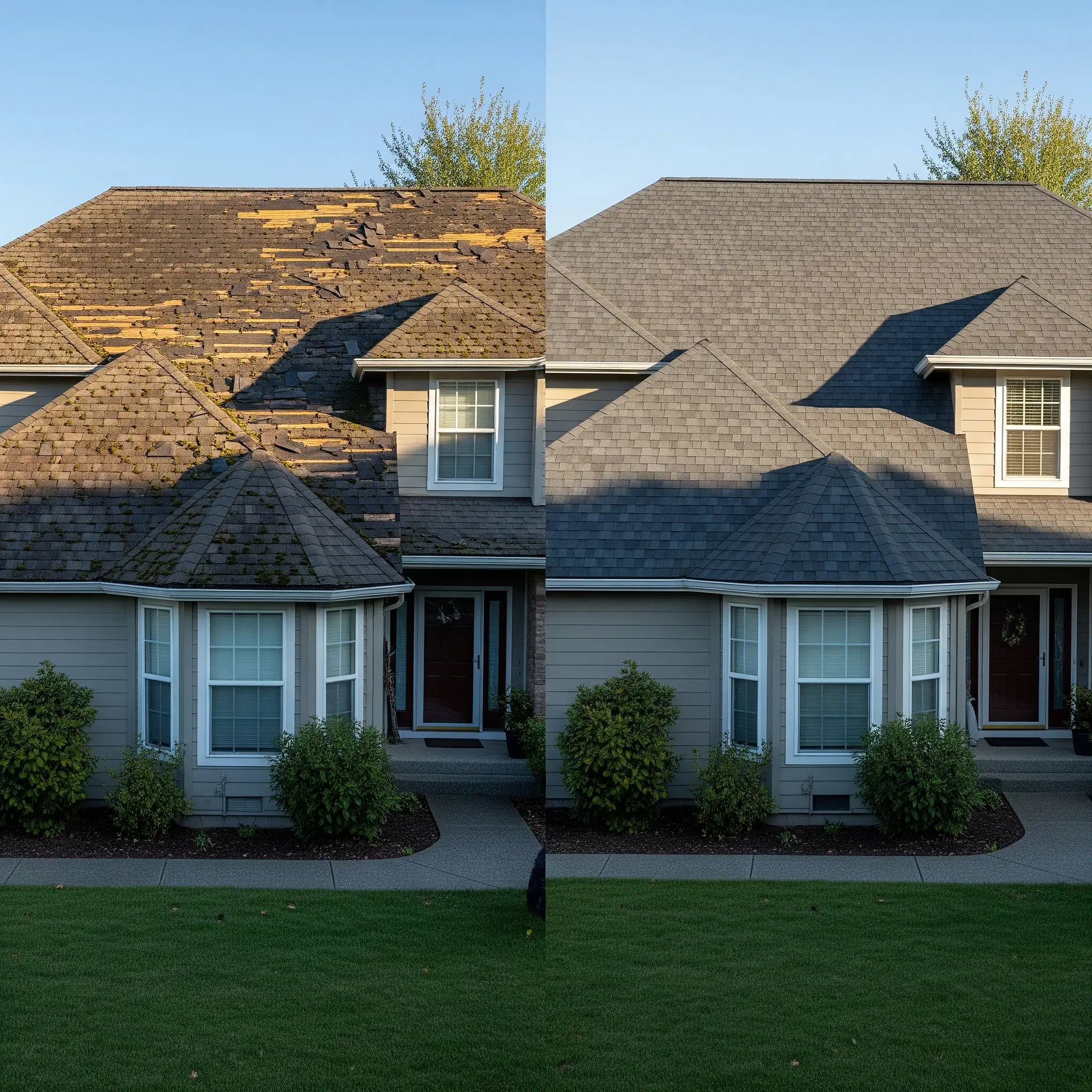
Many of our clients ask: How do I know if my roof needs to be repaired or completely replaced? The answer usually depends on the age of the materials and the extent of the damage. If a leak is isolated to a specific flashing failure or a few missing shingles, a targeted repair is often sufficient. However, if the roofing materials are nearing the end of their expected lifespan, or if you are dealing with widespread structural sagging and moisture damage, a full replacement might be the most cost-effective long-term solution. Our transparent estimating process is designed to give you all the facts, without the high-pressure sales tactics, so you can make an informed choice.
Addressing Issues Early with Professional Repairs
If your self-assessment or professional inspection reveals damage, addressing it promptly is crucial. Ignoring early signs of roof leak damage—such as faint water stains on your ceiling, a musty smell in the attic, or peeling paint near your roofline—will only lead to more invasive and costly repairs down the road. Water has a way of traveling along rafters and insulation, meaning the actual source of the leak could be far from where the internal damage appears.
When it comes to securing reliable roof repair, we know that choosing the right contractor can be stressful. You want a team that is fully licensed, heavily insured, and committed to local safety standards. A quality repair job doesn't just patch a hole; it restores the integrity of the surrounding roofing system, ensuring that manufacturer warranties remain intact and your home stays dry through the harshest storms.
At Fred Meyer Roofing, we pride ourselves on delivering detailed, accurate pricing estimates and reliable communication from start to finish. We understand that funding a roofing project can sometimes strain household budgets, which is why we also offer flexible financing options to make necessary maintenance accessible when you need it most.
Don't wait for the first major storm of the season to test the limits of your roof. Proactive care is the key to a safe, comfortable, and dry home all winter long. If you are ready to prepare your property for the upcoming season, contact us today to schedule your consultation. Let our experienced team give you the confidence that your roof is ready for whatever the weather brings.